After dark, a city comes alive
Plan a thoughtful evening photo walk and notice familiar streets differently.
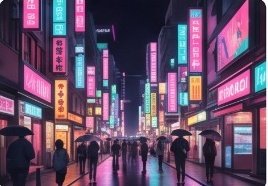
Illustrative image supplied in the design references.
Pick a familiar route
Start with streets you know and a short loop that ends near your transport or accommodation. Choose well-lit public areas and check current local conditions. Tell someone your plan when appropriate. The goal is to notice a different atmosphere, not to enter isolated places for a photograph.
Choose a visual question
Look for one relationship: reflections in windows, light on pavement, or the contrast between bright signs and darker buildings. Limiting the subject helps you make a sequence rather than a collection of unrelated shots. Pause away from traffic and avoid obstructing people while you frame the image.
Work with available light
Try the same composition from a few positions. A brighter shopfront may illuminate your subject more clearly than a distant streetlamp. Hold the camera or phone steadily and inspect a sample image for blur. If using equipment such as a tripod, check local restrictions and keep walkways clear. Do not use a flash toward drivers or in places where it is prohibited.
Respect the people in the frame
Be thoughtful about photographing identifiable people, especially children or someone in a vulnerable situation. Ask permission where needed and follow applicable local rules. Avoid presenting a staged or edited image as proof of an event. An urban photo essay can focus entirely on buildings, surfaces, and light.
Edit into a short sequence
Select an opening scene, two or three closer details, and a closing image. Keep editing consistent and avoid changing the scene in a way that misleads viewers. Write captions that describe what you actually know, without guessing at a location or someone’s story. The picture on this guide is illustrative mood imagery, not documentation of a named city. A clear, honest sequence is more useful than a large set of near-duplicates.